🚚 Free Worldwide Shipping on All Orders!Shop Now

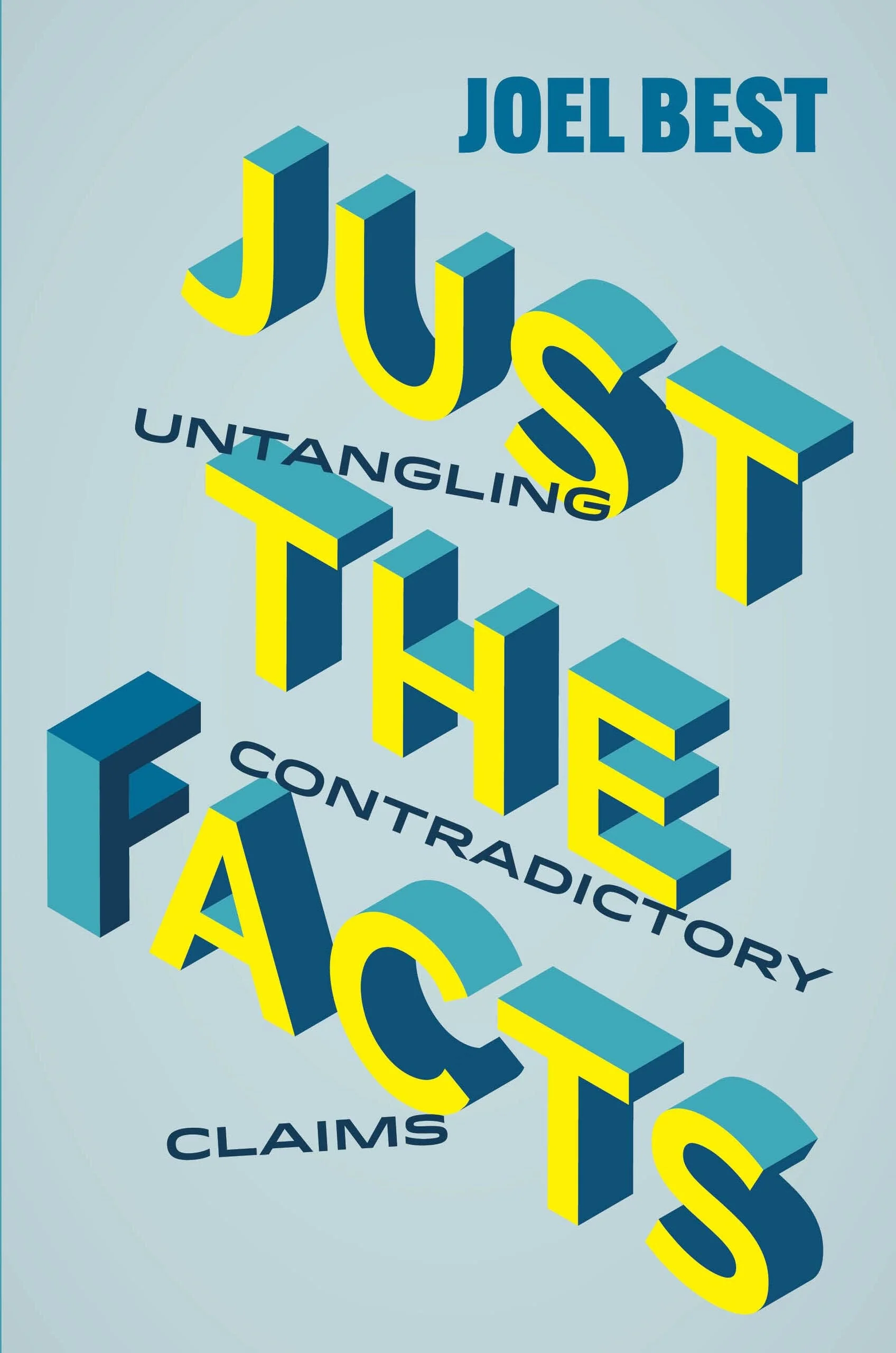
Just the Facts Untangling Contradictory Claims
Why can’t we seem to agree on facts? In this succinct volume, sociologist Joel Best turns his inimitable eye toward the social construction of what we think is true. He evaluates how facts emerge from our social worlds—including our beliefs, values, tastes, and norms—and how they align with those worlds’ standards. He argues that by developing a sociological perspective toward what we think we know, we can better parse the use of facts and untruths around us.
This book examines how facts are created and supported through science, government, law, and journalism, revealing that facts are actually claims. These claims are malleable and can change over time through fact-checking, revision, and sometimes rejection. Best guides us through these processes so that we can question our assumptions and understand why disputes happen in the first place. In a time of increasing social and political divide, Just the Facts urges us to resist defensiveness over our facts and approach disputes in critical new ways.
This book examines how facts are created and supported through science, government, law, and journalism, revealing that facts are actually claims. These claims are malleable and can change over time through fact-checking, revision, and sometimes rejection. Best guides us through these processes so that we can question our assumptions and understand why disputes happen in the first place. In a time of increasing social and political divide, Just the Facts urges us to resist defensiveness over our facts and approach disputes in critical new ways.
$11.18
Original: $31.95
-65%Just the Facts Untangling Contradictory Claims—
$31.95
$11.18Product Information
Product Information
Shipping & Returns
Shipping & Returns
Description
Why can’t we seem to agree on facts? In this succinct volume, sociologist Joel Best turns his inimitable eye toward the social construction of what we think is true. He evaluates how facts emerge from our social worlds—including our beliefs, values, tastes, and norms—and how they align with those worlds’ standards. He argues that by developing a sociological perspective toward what we think we know, we can better parse the use of facts and untruths around us.
This book examines how facts are created and supported through science, government, law, and journalism, revealing that facts are actually claims. These claims are malleable and can change over time through fact-checking, revision, and sometimes rejection. Best guides us through these processes so that we can question our assumptions and understand why disputes happen in the first place. In a time of increasing social and political divide, Just the Facts urges us to resist defensiveness over our facts and approach disputes in critical new ways.
This book examines how facts are created and supported through science, government, law, and journalism, revealing that facts are actually claims. These claims are malleable and can change over time through fact-checking, revision, and sometimes rejection. Best guides us through these processes so that we can question our assumptions and understand why disputes happen in the first place. In a time of increasing social and political divide, Just the Facts urges us to resist defensiveness over our facts and approach disputes in critical new ways.