🚚 Free Worldwide Shipping on All Orders!Shop Now

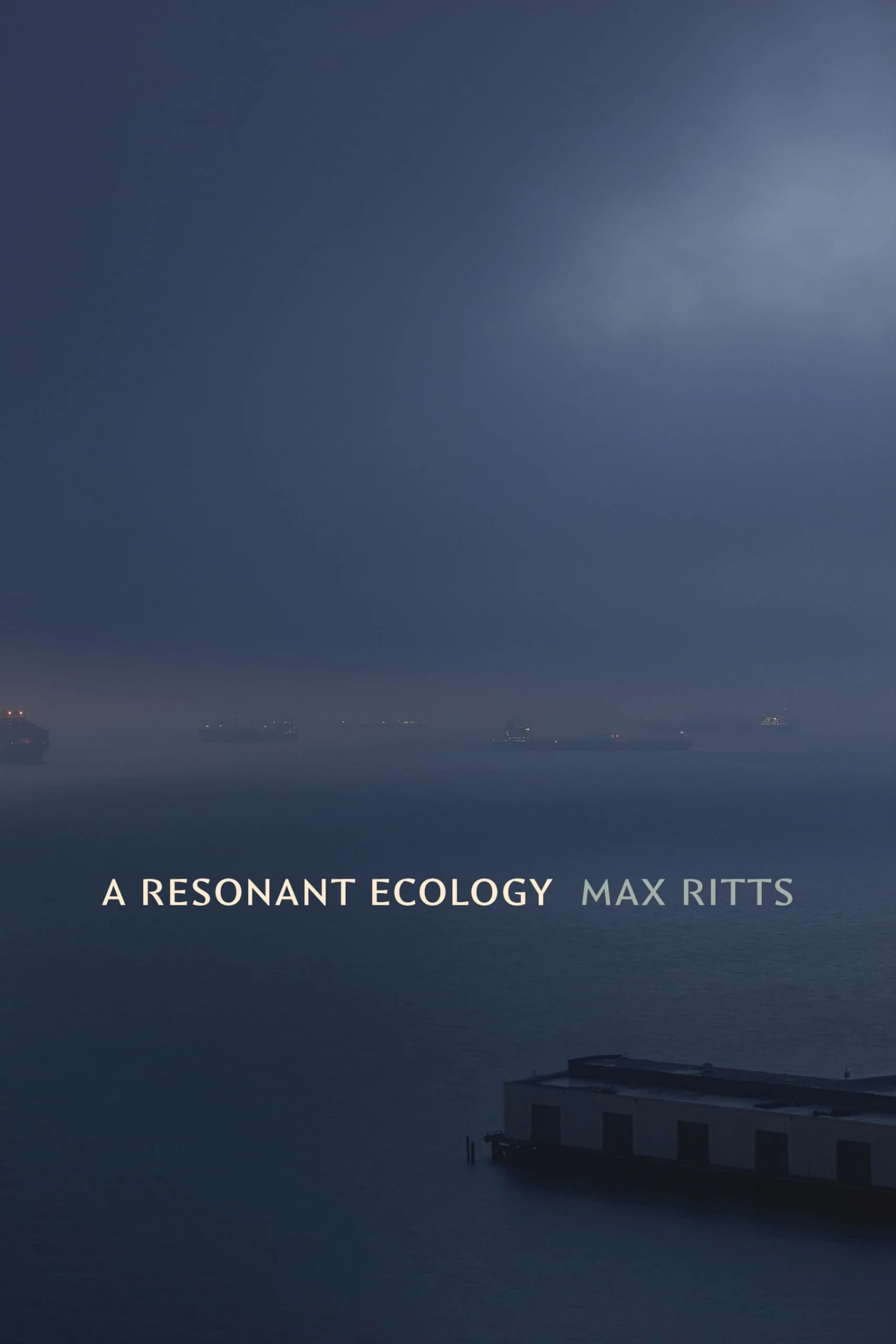
A Resonant Ecology
In A Resonant Ecology, Max Ritts traces how sound’s integration into the environmental politics of Canada’s North Coast has paved the way for massive industrial expansion. While conservationists hope that the dissemination of whale songs and other nature sounds will showcase the beauty of local wildlife for people around the world, Ritts reveals how colonial capitalism can co-opt sonic efforts to protect the coast. He demonstrates how digital technologies allow industry to sonically map new shipping lanes and facilitate new ways of experiencing sound—premised not on listening, but on sound’s exploitable status as a data resource. By outlining how sound can both perpetuate and refuse capitalist colonialism, Ritts challenges the idea that the sonic realm is inherently liberatory and reveals sound to be a powerfully uncertain object. Through a situated geographical approach, he makes the case that only a decolonial and multigenerational environmental politics can counter the false promise of “sustainable marine development” held up by industry and the state.
$33.95
A Resonant Ecology—
$33.95
Product Information
Product Information
Shipping & Returns
Shipping & Returns
Description
In A Resonant Ecology, Max Ritts traces how sound’s integration into the environmental politics of Canada’s North Coast has paved the way for massive industrial expansion. While conservationists hope that the dissemination of whale songs and other nature sounds will showcase the beauty of local wildlife for people around the world, Ritts reveals how colonial capitalism can co-opt sonic efforts to protect the coast. He demonstrates how digital technologies allow industry to sonically map new shipping lanes and facilitate new ways of experiencing sound—premised not on listening, but on sound’s exploitable status as a data resource. By outlining how sound can both perpetuate and refuse capitalist colonialism, Ritts challenges the idea that the sonic realm is inherently liberatory and reveals sound to be a powerfully uncertain object. Through a situated geographical approach, he makes the case that only a decolonial and multigenerational environmental politics can counter the false promise of “sustainable marine development” held up by industry and the state.