🚚 Free Worldwide Shipping on All Orders!Shop Now

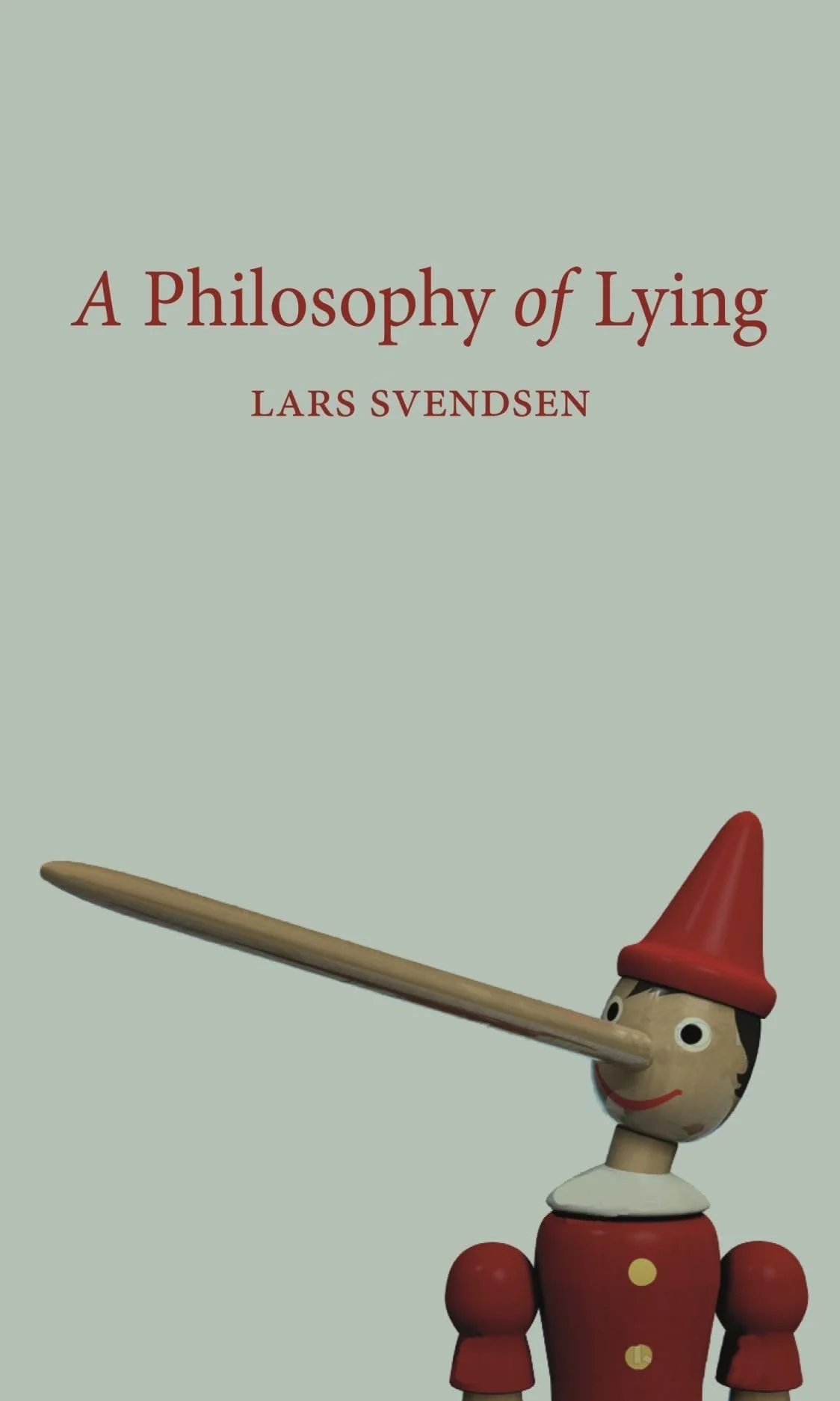
A Philosophy of Lying
From lying to friends to lies in politics, a wide-ranging examination of the forms and ethics of falsehood.
From popular philosopher Lars Svendsen, this book is a comprehensive investigation of lying in everyday life. What exactly is a lie, Svendsen asks, and how does lying differ from related phenomena, such as “bullshit” or being truthful? Svendsen also investigates the ethics of lying—why is lying almost always morally wrong, and why is lying to one’s friends especially bad? The book concludes by looking at lying in politics, from Plato’s theory of the “noble lie” to the Big Lie of Donald Trump.
As phrases like “fake news” and “alternative facts” permeate our feeds, Svendsen’s conclusion is perhaps a surprising one: that, even though we all occasionally lie, we are for the most part trustworthy. Trusting others makes one vulnerable, and we will all be duped from time to time. But all things considered, Svendsen contends, truthfulness and vulnerability are preferable to living in a constant state of distrust.
From popular philosopher Lars Svendsen, this book is a comprehensive investigation of lying in everyday life. What exactly is a lie, Svendsen asks, and how does lying differ from related phenomena, such as “bullshit” or being truthful? Svendsen also investigates the ethics of lying—why is lying almost always morally wrong, and why is lying to one’s friends especially bad? The book concludes by looking at lying in politics, from Plato’s theory of the “noble lie” to the Big Lie of Donald Trump.
As phrases like “fake news” and “alternative facts” permeate our feeds, Svendsen’s conclusion is perhaps a surprising one: that, even though we all occasionally lie, we are for the most part trustworthy. Trusting others makes one vulnerable, and we will all be duped from time to time. But all things considered, Svendsen contends, truthfulness and vulnerability are preferable to living in a constant state of distrust.
$11.39
Original: $32.55
-65%A Philosophy of Lying—
$32.55
$11.39Product Information
Product Information
Shipping & Returns
Shipping & Returns
Description
From lying to friends to lies in politics, a wide-ranging examination of the forms and ethics of falsehood.
From popular philosopher Lars Svendsen, this book is a comprehensive investigation of lying in everyday life. What exactly is a lie, Svendsen asks, and how does lying differ from related phenomena, such as “bullshit” or being truthful? Svendsen also investigates the ethics of lying—why is lying almost always morally wrong, and why is lying to one’s friends especially bad? The book concludes by looking at lying in politics, from Plato’s theory of the “noble lie” to the Big Lie of Donald Trump.
As phrases like “fake news” and “alternative facts” permeate our feeds, Svendsen’s conclusion is perhaps a surprising one: that, even though we all occasionally lie, we are for the most part trustworthy. Trusting others makes one vulnerable, and we will all be duped from time to time. But all things considered, Svendsen contends, truthfulness and vulnerability are preferable to living in a constant state of distrust.
From popular philosopher Lars Svendsen, this book is a comprehensive investigation of lying in everyday life. What exactly is a lie, Svendsen asks, and how does lying differ from related phenomena, such as “bullshit” or being truthful? Svendsen also investigates the ethics of lying—why is lying almost always morally wrong, and why is lying to one’s friends especially bad? The book concludes by looking at lying in politics, from Plato’s theory of the “noble lie” to the Big Lie of Donald Trump.
As phrases like “fake news” and “alternative facts” permeate our feeds, Svendsen’s conclusion is perhaps a surprising one: that, even though we all occasionally lie, we are for the most part trustworthy. Trusting others makes one vulnerable, and we will all be duped from time to time. But all things considered, Svendsen contends, truthfulness and vulnerability are preferable to living in a constant state of distrust.